Source Black Household Washer Tub Gasket for Home Appliances
Find reliable black household washer tub gasket options from 30 verified suppliers. Compare materials like rubber and silicone, check standards such as DIN and AS568, and review packaging details to select the right seal for your manufacturing needs; compare the available evidence and request quotations based on your requirements.
Key considerations
Products List


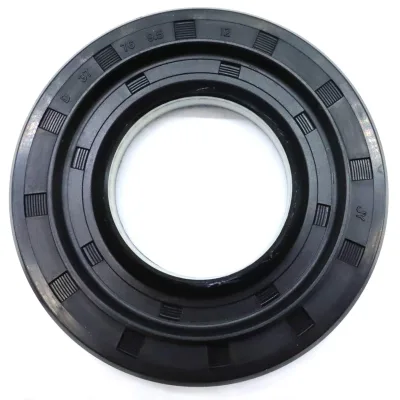
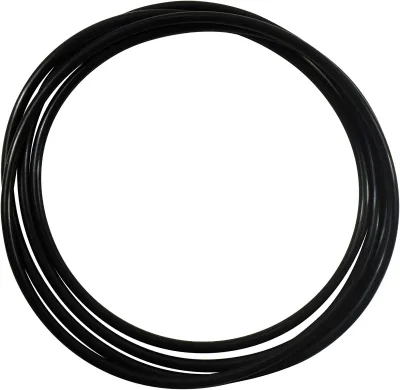




Comprehensive Sourcing Guide
Black Household Washer Tub Gasket Sourcing Guide
Sourcing reliable sealing components for household washing machines requires a disciplined approach to material selection and supplier verification. The black household washer tub gasket serves as a critical barrier against water leakage and structural vibration, ensuring the longevity of the appliance. Buyers must prioritize suppliers who demonstrate consistent manufacturing capabilities and transparent quality control processes. This guide outlines the essential steps for evaluating potential vendors, verifying technical specifications, and establishing commercial terms that protect your procurement interests.
Effective sourcing begins with understanding the specific operational demands placed on the gasket within the washing machine environment. Factors such as water temperature, detergent chemical exposure, and mechanical stress during spin cycles dictate the required material properties. Procurement teams should focus on identifying suppliers who offer customization options and maintain a robust portfolio of relevant product models. By aligning your technical requirements with supplier capabilities, you can mitigate risks associated with premature failure and ensure seamless integration into your assembly line.
Product Scope and Observed Listing Signals
The observed market data indicates a diverse range of sealing products, with prices ranging from zero to approximately seven point eight one US dollars per unit. This wide variance suggests that buyers will encounter both basic commodity items and specialized, high-performance seals. Minimum order quantities vary significantly, spanning from single units to one hundred thousand pieces, reflecting the flexibility of different manufacturing setups. Procurement professionals must carefully assess these signals to determine which suppliers align with their volume requirements and budget constraints.
Product attributes reveal a strong emphasis on material diversity, with listings highlighting rubber, silicone rubber, and plastic compositions. Specific models such as DIN86039 and SCL-167 indicate adherence to established industrial standards, while others offer customized solutions. Packaging methods range from simple polybags to complex palletized arrangements, impacting logistics and storage costs. Buyers should scrutinize these details to ensure that the selected gasket meets both functional requirements and supply chain efficiency goals, avoiding mismatches in material type or packaging specifications.
Technical Specifications to Verify
Verifying the cross-section shape and structural design is paramount for ensuring a proper seal within the washing machine tub assembly. Common configurations include O-rings and flat gaskets, each offering distinct advantages in terms of compression resistance and installation ease. Buyers must confirm that the chosen design matches the housing geometry and operational pressure requirements. Additionally, the combination washer structure, whether Type A or Type B, influences the load distribution and sealing integrity under dynamic conditions.
Material composition directly impacts the gasket's resistance to heat, chemicals, and abrasion. Listings indicate the use of Nitrile Rubber (NBR) and silicone rubber, materials known for their durability and flexibility. It is crucial to verify that the selected material can withstand the specific detergents and water temperatures encountered during the washing cycle. Furthermore, checking the storage life and lead times ensures that inventory management remains efficient and that production schedules are not disrupted by supply delays or material degradation.
Compliance and Safety Documentation
Ensuring that all sealing components meet relevant safety and environmental standards is a non-negotiable aspect of responsible procurement. Suppliers should provide documentation confirming compliance with regulations such as FDA, RoHS, and ISO9001:2000, where applicable. These certifications demonstrate that the manufacturer adheres to rigorous quality management systems and environmental protection guidelines. Buyers must request and verify these documents to mitigate legal risks and ensure that the final product meets market entry requirements in target regions.
Beyond regulatory compliance, verifying the performance characteristics of the gasket is essential for long-term reliability. Attributes such as corrosion resistance and electrical insulation properties may be relevant depending on the specific application within the washing machine. Procurement teams should ask for test reports or performance data that validate these claims. By demanding transparent evidence of performance, buyers can confidently select suppliers who deliver products that meet or exceed industry expectations for durability and safety.
Cost Drivers and Commercial Terms
Understanding the factors that influence pricing is critical for negotiating favorable commercial terms. Material costs, particularly for specialized rubbers and silicones, play a significant role in the final price of the gasket. Additionally, the complexity of the manufacturing process, including molding precision and post-processing requirements, affects production expenses. Buyers should analyze these cost drivers to understand the value proposition offered by different suppliers and to identify opportunities for cost optimization without compromising quality.
Packaging and logistics also contribute to the total cost of ownership. Listings show various packaging options, from individual polybags to carton boxes and palletized shipments. The choice of packaging impacts handling efficiency, storage space, and potential damage during transit. Procurement professionals should negotiate clear terms regarding packaging standards and shipping responsibilities. By aligning commercial terms with operational needs, buyers can reduce hidden costs and improve the overall efficiency of their supply chain.
Supplier Qualification and Quality Control
Conducting thorough supplier qualification is essential for establishing a reliable supply base. Buyers should assess the manufacturer's production capacity, quality control processes, and track record in the industry. Visiting facilities or requesting detailed audits can provide valuable insights into the supplier's operational capabilities and commitment to quality. Additionally, verifying the supplier's ability to handle customization requests ensures that they can adapt to specific design changes or volume fluctuations.
Implementing robust quality control measures at the supplier level helps prevent defects and ensures consistent product performance. Buyers should establish clear acceptance criteria and inspection protocols for incoming goods. Regular communication with suppliers regarding quality issues and continuous improvement initiatives fosters a collaborative relationship. By prioritizing supplier qualification and active quality management, procurement teams can minimize the risk of supply disruptions and maintain high standards of product reliability.
Long-Term Procurement Checks
Establishing long-term procurement checks ensures that the supply chain remains resilient and responsive to changing market conditions. Regular performance reviews of suppliers help identify potential issues before they escalate into critical problems. Buyers should monitor key metrics such as delivery reliability, defect rates, and responsiveness to inquiries. By maintaining a proactive approach to supplier management, procurement teams can sustain high levels of service and quality over time.
Continuous evaluation of market trends and technological advancements allows buyers to stay ahead of industry developments. This includes monitoring new materials, manufacturing techniques, and regulatory changes that may impact sourcing decisions. By staying informed and adaptable, procurement professionals can make strategic decisions that enhance the competitiveness and sustainability of their supply chain. Long-term success in sourcing black household washer tub gaskets depends on a commitment to ongoing improvement and strategic partnership with qualified suppliers.
FAQs
What materials are used for black household washer tub gaskets?
Black household washer tub gaskets are typically manufactured from durable rubber compounds such as NBR, silicone rubber, or standard rubber. These materials provide essential sealing properties and resistance to wear. Some variants may also incorporate plastic components for specific structural requirements, ensuring longevity and effective performance in wet environments.
Can black household washer tub gaskets be customized?
Yes, customization is widely available for these gaskets. Manufacturers offer OEM standard services and can produce items according to specific customer requirements. Buyers can request custom sizes, shapes, and packaging options, including inner PP bags or carton boxes, to ensure the gaskets fit their specific appliance models and logistical needs.
What certifications apply to rubber washer gaskets?
High-quality rubber washer gaskets often comply with international standards such as FDA, RoHS, and ISO9001:2000. These certifications ensure the materials are safe for specific applications and meet rigorous quality management protocols. Buyers should verify these standards to ensure compliance with regional regulations and safety requirements for household appliance components.
What is the typical lead time for ordering gaskets?
The typical lead time for producing and delivering these gaskets is approximately 15 days. This timeframe allows for manufacturing, quality control, and packaging processes. Buyers should account for this duration when planning inventory, especially for customized orders that may require additional time for tooling or specific material sourcing.
How are black household washer tub gaskets packaged?
Packaging methods vary but commonly include carton boxes, polybags, or inner PP bags combined with cartons. For bulk orders, palletization is available, with weights ranging from 20-25kg per carton up to 900kg per pallet. This flexible packaging ensures protection during transit and accommodates different shipping and storage requirements.
What is the storage life of rubber gaskets?
Rubber gaskets generally have a storage life of up to 10 years when stored correctly. Proper storage conditions, such as avoiding direct sunlight and extreme temperatures, help maintain material integrity. Buyers should adhere to these guidelines to ensure the gaskets retain their sealing properties and performance capabilities until installation.